Dear reader,
You've felt this moment.
A post takes off. Comments pile up. Shares multiply. The screen glows with notifications. The algorithm has blessed you — for a day, maybe two, maybe a week.
And then — silence.
Not that the numbers disappeared. They're still there — archived, impressive, ready for the quarterly report. But something invisible slipped away.
No shift in how people see you.
No lasting bump in demand.
No real change in what your brand means.
They just... liked it. And kept scrolling.
This isn't a story about bad content. It's a story about the difference between attention and memory.
Let me show you what I mean.
The illusion of scale
Here's what viral content gives you: a spike.
Here's what it rarely gives you: a foundation.
Millions of views feel like reach. High engagement feels like relevance. But neither guarantees that anyone will recognize you next week.
Kantar’s large-scale brand studies consistently show that attention alone doesn’t build brands — memory does. And memory is built through consistent, distinctive assets, not one-off viral hits.
Virality accelerates exposure. But exposure without structure? It evaporates.
Think of it like this:
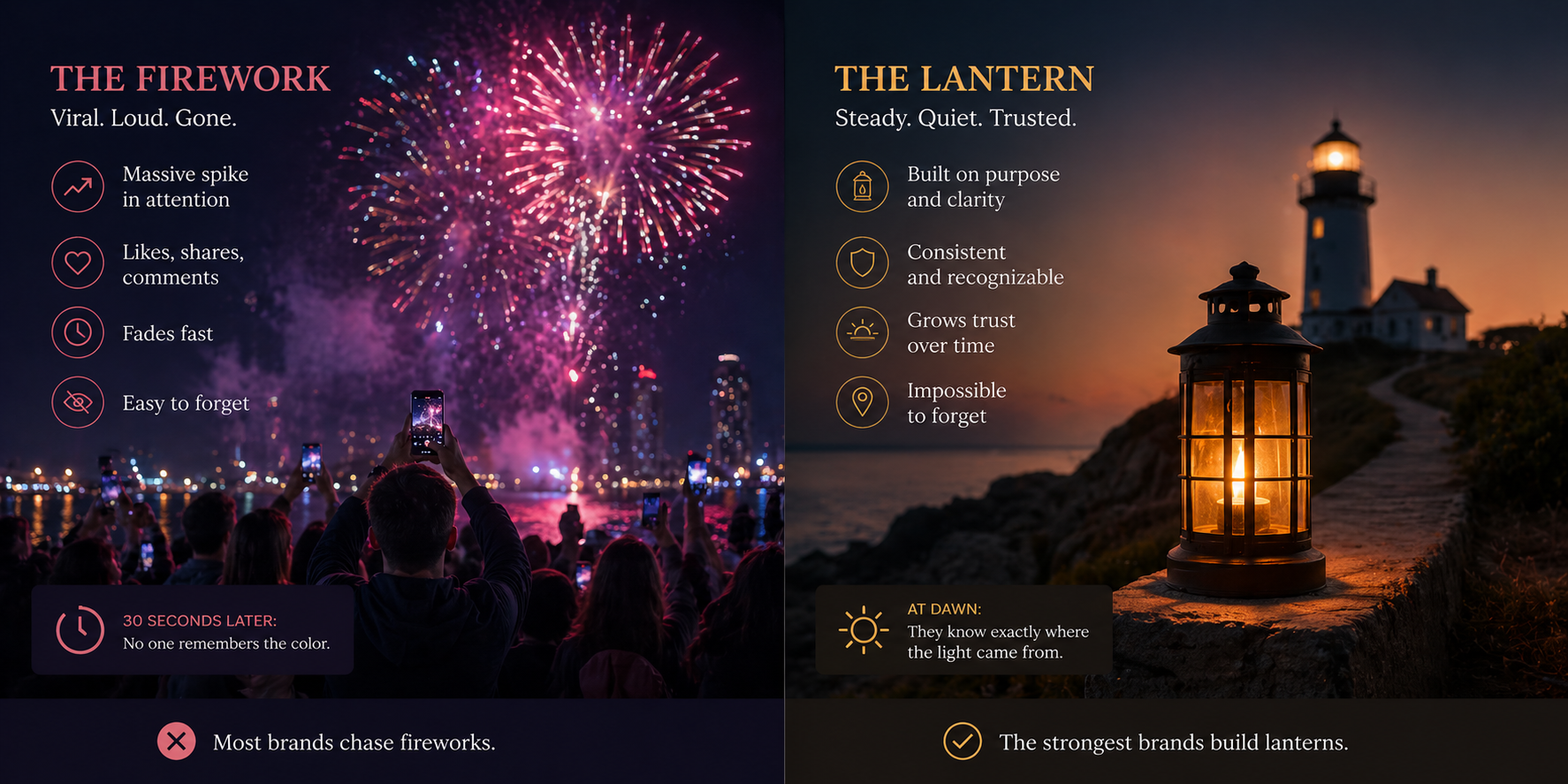
A firework explodes. Everyone looks up. "Ooh," they say. "Ahh."
Thirty seconds later, no one remembers the color.
A lantern burns all night. No one gasps. But at dawn, they know exactly where the light came from.
Most brands chase fireworks.
When the idea eats the brand
There's a pattern I've seen again and again.
A brand creates something genuinely clever. The concept is sharp. The execution is tight. It spreads — fast.
But here's the problem: people remember the content, not the creator.
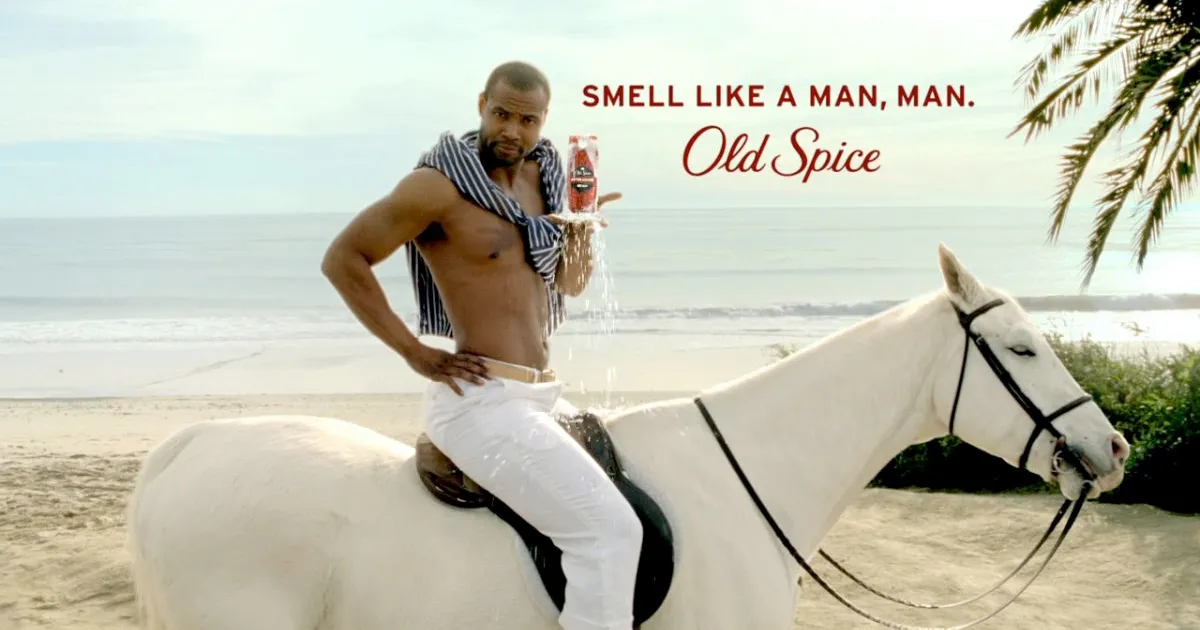
Let me give you a real example.
But ask people today what IHOb stood for — most don’t remember. Even fewer associate it with a meaningful shift in perception. It was a spike in attention, not a lasting repositioning.
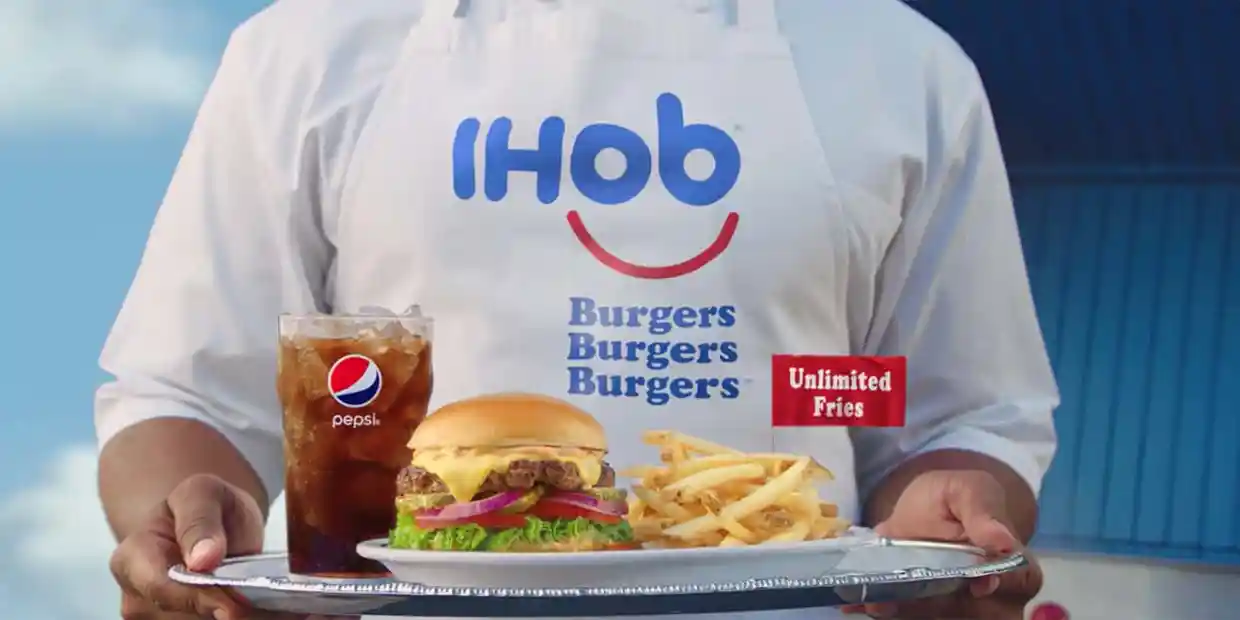
Contrast this with Old Spice.
Their “The Man Your Man Could Smell Like” campaign didn’t rely on a single viral joke. It built a repeatable character system: the same tone, the same surreal logic, the same persona appearing across dozens of executions. The idea wasn’t a moment — it was a format.
The result wasn’t just virality. It was memory compression. People could recognise an Old Spice ad instantly, even years later, without needing to remember a specific post or tweet.
What's the difference?
IHOP had a moment. Old Spice built a memory.
What the research actually says
The data is surprisingly clear on this.
Another study from Nielsen found that campaigns with consistent brand cues (logo, color, tone, character) are more likely to achieve strong brand recall than campaigns that change elements chasing trends.
Virality optimizes for reaction.
Brand building optimizes for recognition.
The two are not the same.
The brand that went viral on purpose — and almost broke itself
Let me tell you about Oatly.
The Swedish oat milk company became one of the most recognisable challenger brands in Europe by doing something most companies avoid: they deliberately broke traditional advertising rules.
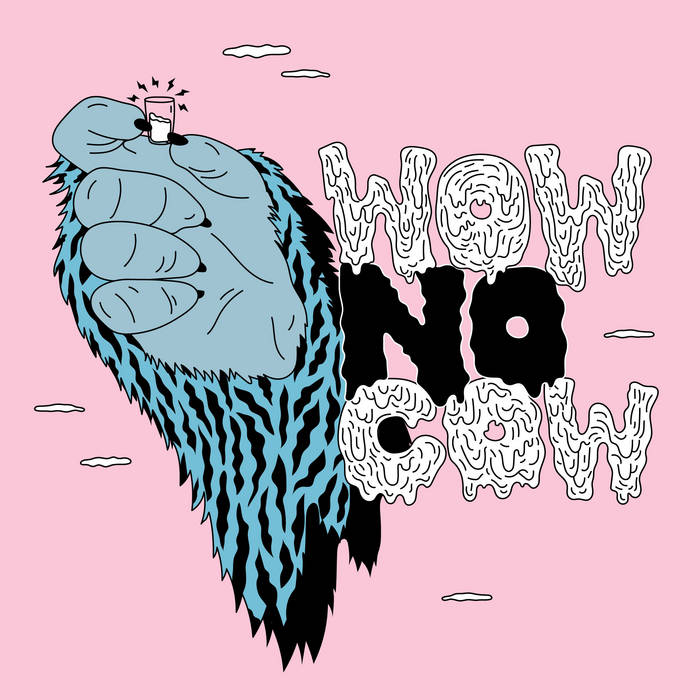
Their tone of voice is intentionally strange — self-aware, ironic, and almost uncomfortable by design. Lines like “It’s like milk, but made for humans” and “Wow no cow” weren’t just jokes. They were part of a strategy to make the brand instantly distinctive in a crowded category.
One of their most visible breakthrough moments came around the 2021 Super Bowl campaign “Wow No Cow,” which turned a simple product positioning into a highly shareable cultural moment.
But what Oatly also learned over time is something more subtle: attention is not the same as clarity.
As their former creative leadership has often discussed in interviews and talks, the challenge with highly expressive, meme-like branding is that it can become extremely memorable in tone — while still requiring constant reinforcement of what the product actually is and why it matters.
In other words, people remembered the voice. Not always the value proposition.
This is the trade-off.
Virality can make a brand impossible to ignore.
But without consistent reinforcement of meaning, it can also make it harder to clearly anchor what the brand stands for.
The lesson is simple:
Virality creates recognition in the moment.
Brand systems create understanding over time.
And without a system behind it, even the most distinctive idea risks becoming just noise that people enjoyed — but didn’t fully retain.
The quiet power of repetition (and why it feels wrong)
Here's something that sounds counterintuitive.
Repetition feels boring to the creator — but invisible to the audience.
When you make content, you see every post. Every variation. Every attempt to keep it fresh. You get tired of your own patterns.
Your audience? They see you for three seconds, twice a week. They don't notice the repetition. They notice the reliability.
Example: Ryanair
The Irish budget airline went from being hated to being loved by Gen Z — not by changing their product, but by changing their tone.
Their social media team started posting chaotic, self-deprecating, almost-aggressive content. "Buy your ticket. We don't care about your feelings." "We're not responsible for your bad decisions."
It went viral. Repeatedly.
But here's what most analyses miss: Ryanair didn't change their structure. Every post follows the same logic:
- Controversial or absurd statement
- Punchline that reinforces "we're cheap, not nice"
- Consistent visual template (yellow, black, simple layout)
The content feels wild. The system is rigid.
That's why you remember them. Not because of one post — but because every post is the same flavor of chaos.
The one question most brands never ask
Before you publish anything, ask yourself:
"If someone saw this without my logo, would they know it's me?"
If the answer is no — you're building attention, not recognition.
Test it on real brands:
- Mailchimp without their logo? The weird illustrations, the quirky tone, the unexpected color combos — yes. You'd know it's them.
- Harley-Davidson without their logo? The grit, the freedom, the Americana — yes.
- A random startup's viral TikTok without their logo? Probably not. It could belong to anyone.
Kantar's research calls this "distinctive assets" — brand elements that trigger recall even when the logo is absent.
Most viral content has zero distinctive assets. It's optimized for the platform, not the brand.
What to actually do about it (because I don't want to just depress you)
I'm not saying "don't chase virality."
I'm saying: anchor it.
Here's what that looks like in practice.
1. Keep one thing constant
When Duolingo's social media manager Zaria Parvez started posting chaotic content, she didn't change everything at once. She kept:
- The green owl
- The passive-aggressive tone toward users
- The short-form vertical format
The chaos was on top. The system was underneath.
Your move: Pick three things that never change. Font. Color. Opening line structure. Something.
2. Make the brand the hero, not the format
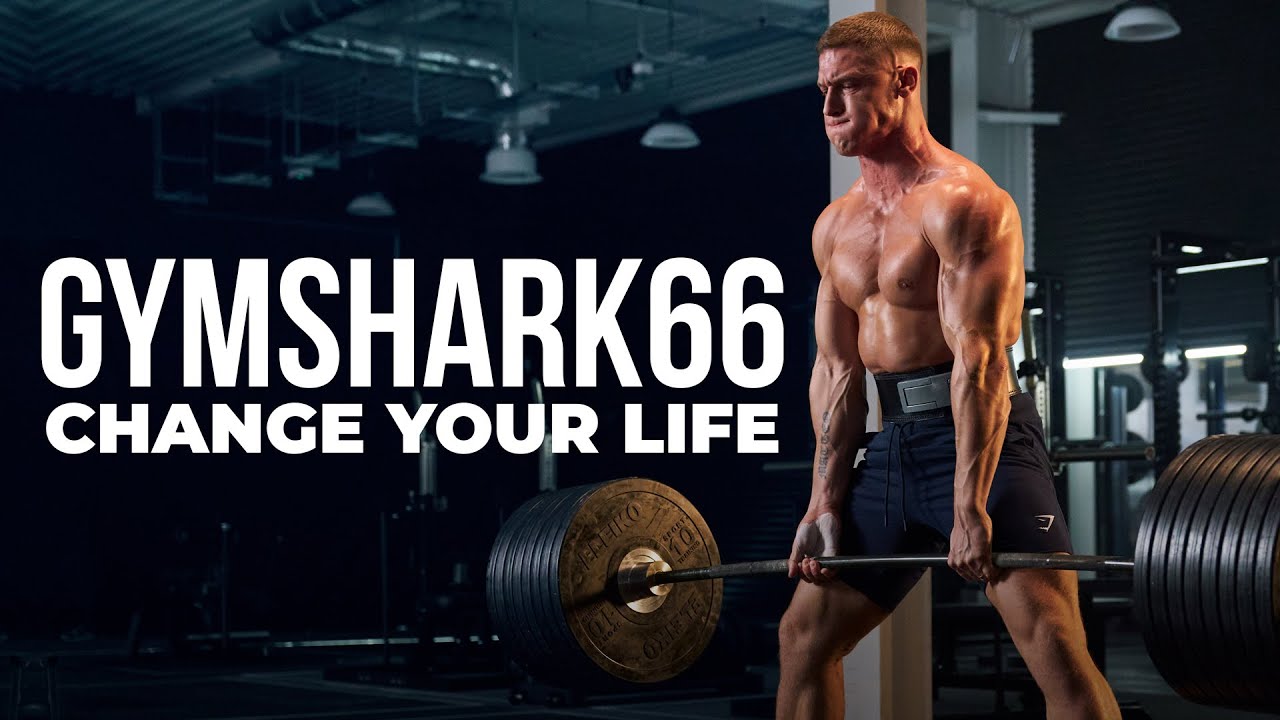
Gymshark is a masterclass here.
But the brand wasn't incidental. The challenge was theirs. The hashtag was theirs. The tracking system was theirs.
People didn't just participate in a trend. They participated in Gymshark.
The difference: Format belongs to the platform. The brand belongs to you.
3. Measure the wrong thing less often
Stop celebrating views. Start measuring:
- Brand recall (ask people — "who posted this?")
- Search volume for your brand name after a campaign
- Repeat engagement (do people come back after the viral spike?)
A Neuromarketing Science & Business Association study found that emotional engagement predicts virality — but cognitive engagement (thinking, processing, remembering) predicts long-term brand growth.
One feels good today. The other pays rent next year.
The brands that figured it out
Let me give you two non-obvious examples.
Liquid Death
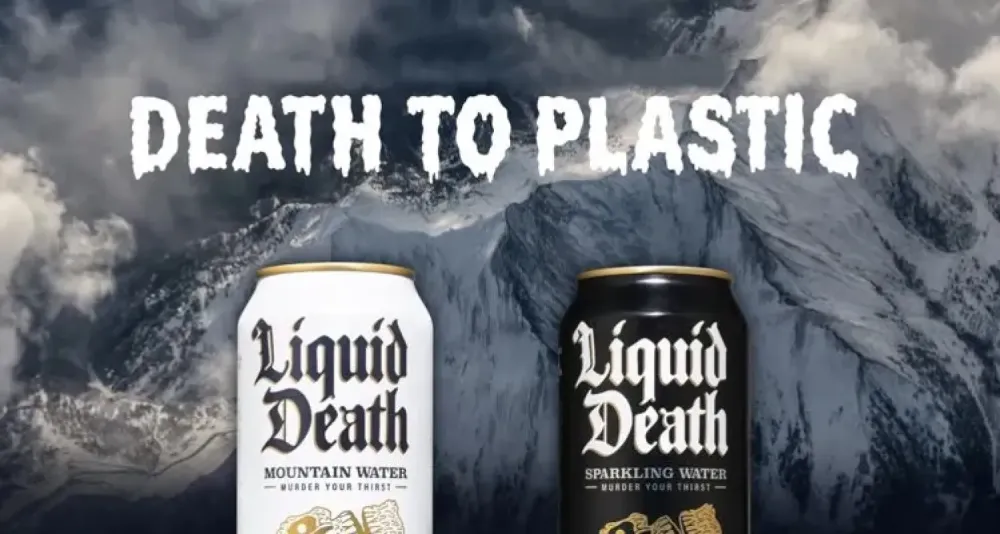
The canned water company that looks like beer. Their content is aggressively absurd — heavy metal aesthetics, "murder your thirst," a hashtag #DeathToPlastic.
Every post follows the same logic: irreverent, satirical, slightly threatening. The visual language is locked: black, white, skulls, punk flyer aesthetics.
They've gone viral dozens of times. But you never forget who's speaking.
Why it works: The brand is the meme. Not a participant in someone else's.
Poppi
The prebiotic soda brand. Their TikTok strategy isn't chaotic — it's consistent. The same host (the founder's daughter). The same setup (taste tests, fridge restocks, grocery store commentary). The same ending (a smile, a sip, a "mmm").
Why it works: They built a character, not just content. And characters get remembered.
Final thought
Ask someone what they remember about a brand.
They won't describe a single post. They won't quote a specific caption.
They'll say:
- "It feels kind of... weird. In a good way."
- "They're the ones with that green thing."
- "I don't know. I just trust them."
That's not virality.
That's repetition. Structure. Restraint. The quiet accumulation of tiny, consistent signals over time.
Virality can introduce you.
But it cannot define you.
That takes something slower, less glamorous, and infinitely harder to fake.
A system.