You know that feeling.
You're scrolling — fast, half-paying attention, thumb moving on autopilot — and then something happens. Your thumb pauses. Just for a second. You're not sure why. The image isn't groundbreaking. The headline isn't screaming.
But something caught you.
That tiny hesitation? That's the moment. That's where everything begins.
Most content never gets that pause. It's not because it's bad. It's because it's expected. And your brain has zero interest in what it already sees coming.
Let me show you what actually makes people stop — using brands that have figured it out.
The Disruption: Why Duolingo's owl haunts your dreams
Let's start with the most unlikely success story in social media.
A language learning app. Green owl mascot. The most boring category on paper.
What happened?
A single employee named Zaria Parvez happened. Fresh out of college, no big agency, no massive budget. Just a weird idea: what if the owl stopped being a polite mascot and started being... unhinged?
The Duolingo owl now:
- Goes on "dates" with other brands
- Gets married (to Luckin Coffee — yes, a coffee chain)
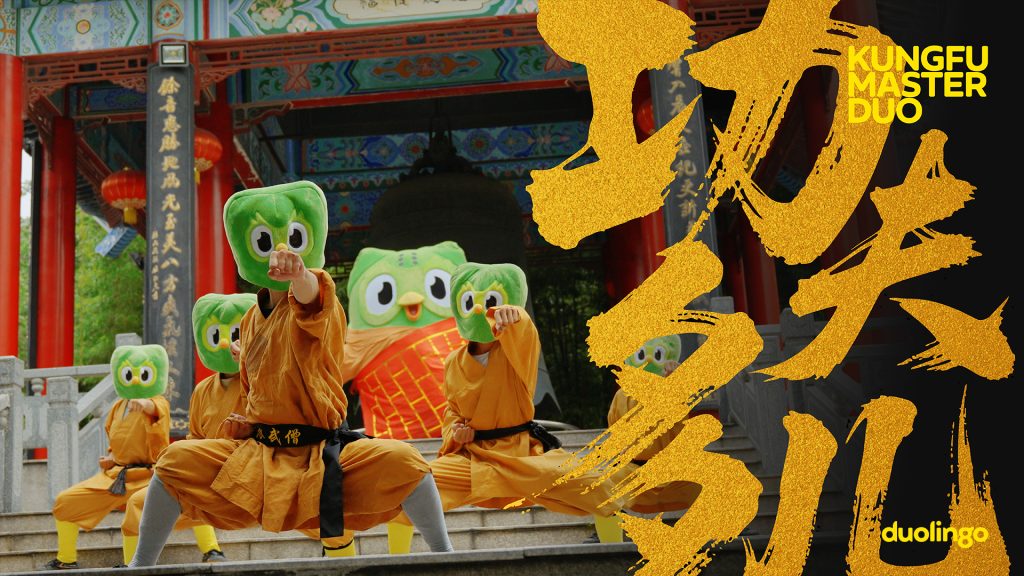
- Shows up at a Shaolin temple as a "monk"
- Acts like the internet's most toxic roommate
Here's what Parvez says about the strategy: "There's just no shortcut. If you start trying to be like every other brand, at some point, you're just no, because-ing, instead of yes, and-ing" www.inc.com.
The takeaway: Duolingo isn't louder. It's less predictable. The brain sees a language app acting like chaos incarnate — and it stops scrolling because it doesn't know what comes next.
The Tension: Nike's horror movie approach to football
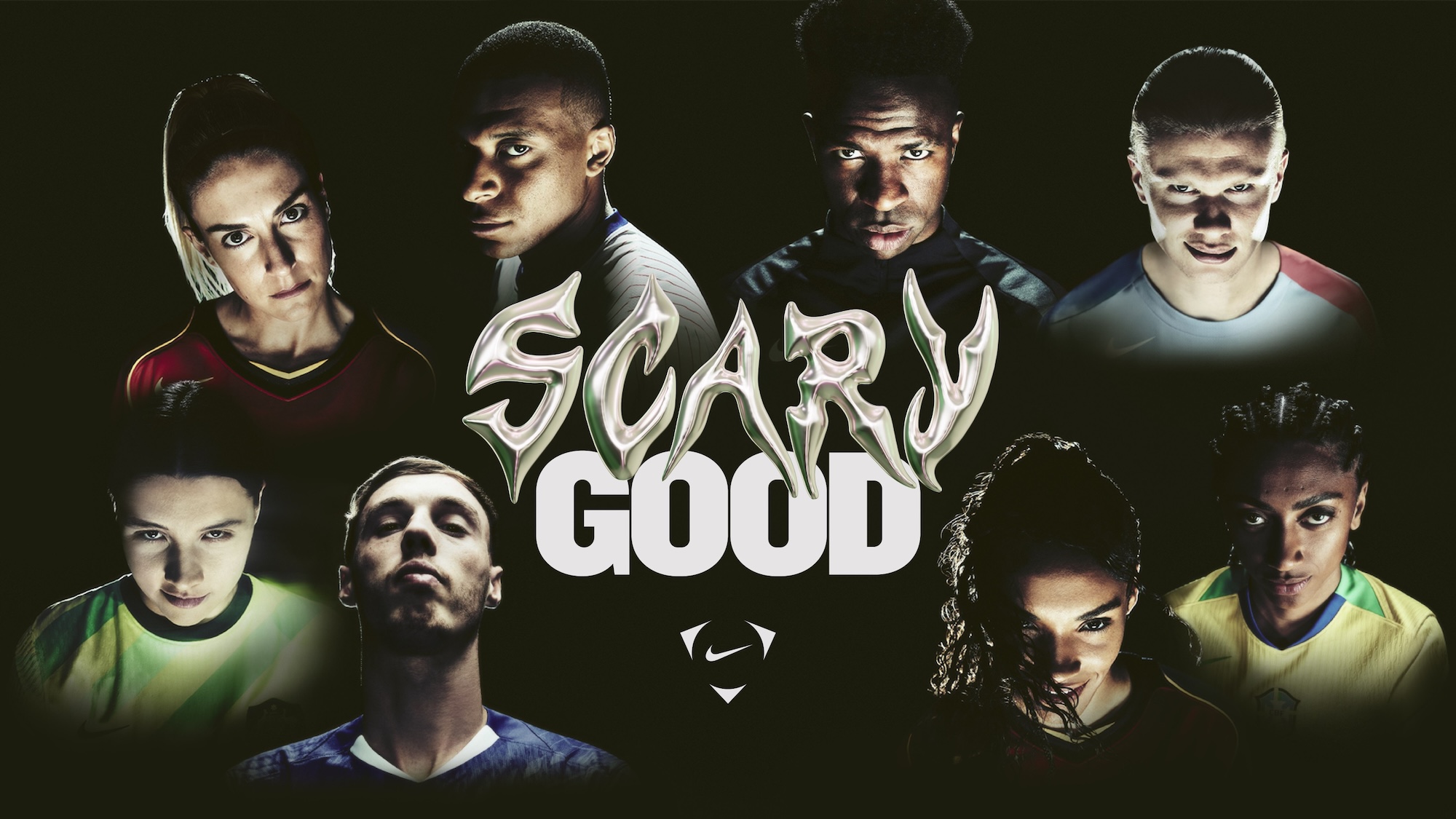
Most brands play it safe. Nike just released a football campaign called "SCARY GOOD" www.marketing-interactive.com.
Yes, horror-themed. For football.
The campaign features nine short films that parody late-night television — psychic hotlines, infomercials, even animated throwbacks. One video shows Alexia Putellas as a crystal-ball-gazing psychic who predicts opponents' tactical downfall. Another stars Kylian Mbappé in an actual horror flick about a goalkeeper traumatized by his finishing www.marketing-interactive.com.
The tagline? "Play new." "You can't win. So win."
These aren't instructions. They're provocations — small logical disruptions that your brain instinctively tries to resolve.
Nike isn't explaining why their boots are good. They're creating friction — and friction keeps you watching.
What holds attention beyond the first second isn't information. It's tension. A question left slightly unanswered. A statement that feels incomplete. Your brain hates loose ends. It stays to tie them.
The Emotion That Lingers: Apple stopped selling products and started selling feelings
Apple's Christmas ad for 2025 is called "A Critter Carol" lbbonline.com.
It features woodland creatures finding an iPhone 17 Pro in the forest and using it to record a rendition of "Friends" by Flight of the Concords. There's no close-up of the product. No megapixel count. No headline message lbbonline.com.
Here's what the chief customer officer said: "Apple has always been the master of functional, minimal, product-led communication. But this shows they can do rich, emotional storytelling too. Pure 'show, don't tell'" lbbonline.com.
Apple isn't selling phones. They're selling wonder, connection, surprise. And people remember how you made them feel — not your battery life specs.
The Participation Hook: Pringles made people turn their bodies into chips
Sometimes the best content isn't content at all. It's a challenge.
Pringles launched a TikTok campaign called #Pringling — a modern twist on the old "planking" trend. The idea? Shape your body like a Pringle. Yes, the chip. The curve. In real life ads.tiktok.com.
They built a custom Branded Effect with body-tracking technology that scored participants on a "% Pringle" scale. The more you looked like the chip, the higher your score. Gamified. Shareable. Ridiculous ads.tiktok.com.
People don't just want to consume content. They want to participate in it. When you give them a role — even a silly one — they invest. And investment creates memory.
The Four Patterns That Make Content Unskippable
Let me pull back the curtain. Everything we just walked through — Duolingo, Nike, Apple, Pringles — follows the same five patterns.
They're not complicated. But they're rarely done together.
1. Disrupt just enough to be noticed
Don't scream. Don't shout. Just break one small expectation. The language app acting unhinged. The sports ad turning into a horror movie. That's enough.
2. Withhold just enough to create curiosity
Don't explain everything. Leave a gap. Nike says "Play new" — not "Play new because our shoes have better traction." Trust your audience to lean in.
3. Make people feel, not just understand
4. Invite participation when possible
Pringles didn't just talk about their chip. They asked people to become the chip. Interaction creates ownership. Ownership creates loyalty.
The One Thing Most Brands Get Wrong
Most brands produce content as a sequence of individual pieces.
Post. Design. Approve. Publish. Next.
No thread. No building. No memory.
Stronger brands think in terms of signals:
- What does this look like in a feed?
- What expectation does it create?
- What feeling does it repeat over time?
They aren't just creating posts. They're shaping perception — slowly, consistently, almost invisibly.
Final Thought: The pause is everything
In the end, people don't engage with content because it's "good."
They engage because something in it feels unresolved, recognizable, or unexpectedly clear.
Because it interrupts without overwhelming.
Because it speaks without explaining too much.
Because it feels like it belongs — but not entirely.
And in a space where everything competes for attention, that slight difference is often enough.
Not to impress.
But simply to make someone stop.
I design visual identities and the materials that put them to use.
Want to see what that looks like for your brand? Let's talk.