There's a lie floating around the marketing world: if you want to look premium, you need to spend premium.
Hire a big studio. Fly to Iceland for a photoshoot. Commission 3D animations that take six weeks to render.
Sounds exhausting. And expensive.
Not decoration. Not "pretty pictures." A system.
And the best part? Systems scale. Budgets don't.
Why "polished" stopped meaning anything
Scroll through Instagram for five minutes. What do you see?
- Perfect Canva templates (the same ones everyone uses)
- AI-generated faces that look vaguely human but somehow wrong
- The same sans-serif fonts. The same pastel color palettes. The same "minimalist" layouts.
Remember when every website had the same slider in 2010? Same energy. Just prettier.
The paradox: The easier design tools become, the harder it is to stand out.
Polish no longer signals quality. It signals "I used a template."
What your brain actually reads as "expensive"
Here's a weird psychological fact.
Your brain is lazy. It likes things that are easy to process. When something feels familiar and predictable, your brain thinks: "Oh, I know this. Must be safe. Must be high quality."
This isn't just a feeling — it's called cognitive fluency, and it's been studied for decades.
In visual branding, fluency comes from:
- consistent spacing
- predictable layouts
- stable typography
- repeated composition patterns
Example: Apple
Apple's product photography is famously simple. A gray rectangle on a white background. That's it. Nothing fancy.
Not because their photos are complex. Because they're predictable. You know exactly what an Apple ad will look like before you see it. That reliability feels expensive.
The #1 mistake that makes brands look cheap (even when they're not)
Fragmentation.
It happens when:
- Instagram looks nothing like your website
- your ads use a different font than your organic posts
- your color palette changes with every trend
- you redesign your templates every two months
Each piece, on its own, might be beautiful. But together? Chaos.
Your audience has to re-learn your brand every time they see it. And most people won't bother.
Not because consistency is sexy. Because inconsistency is exhausting.
The four invisible rules of expensive-feeling systems
Strip away the aesthetics. Forget the fancy mockups. Here's what actually works.
1. Constraints, not variety
Luxury rarely says "anything goes." Luxury says "we chose this. And only this."
- Chanel: black and white. That's it.
- Nike: high-contrast, minimal layouts.
- Muji: reduction as identity.
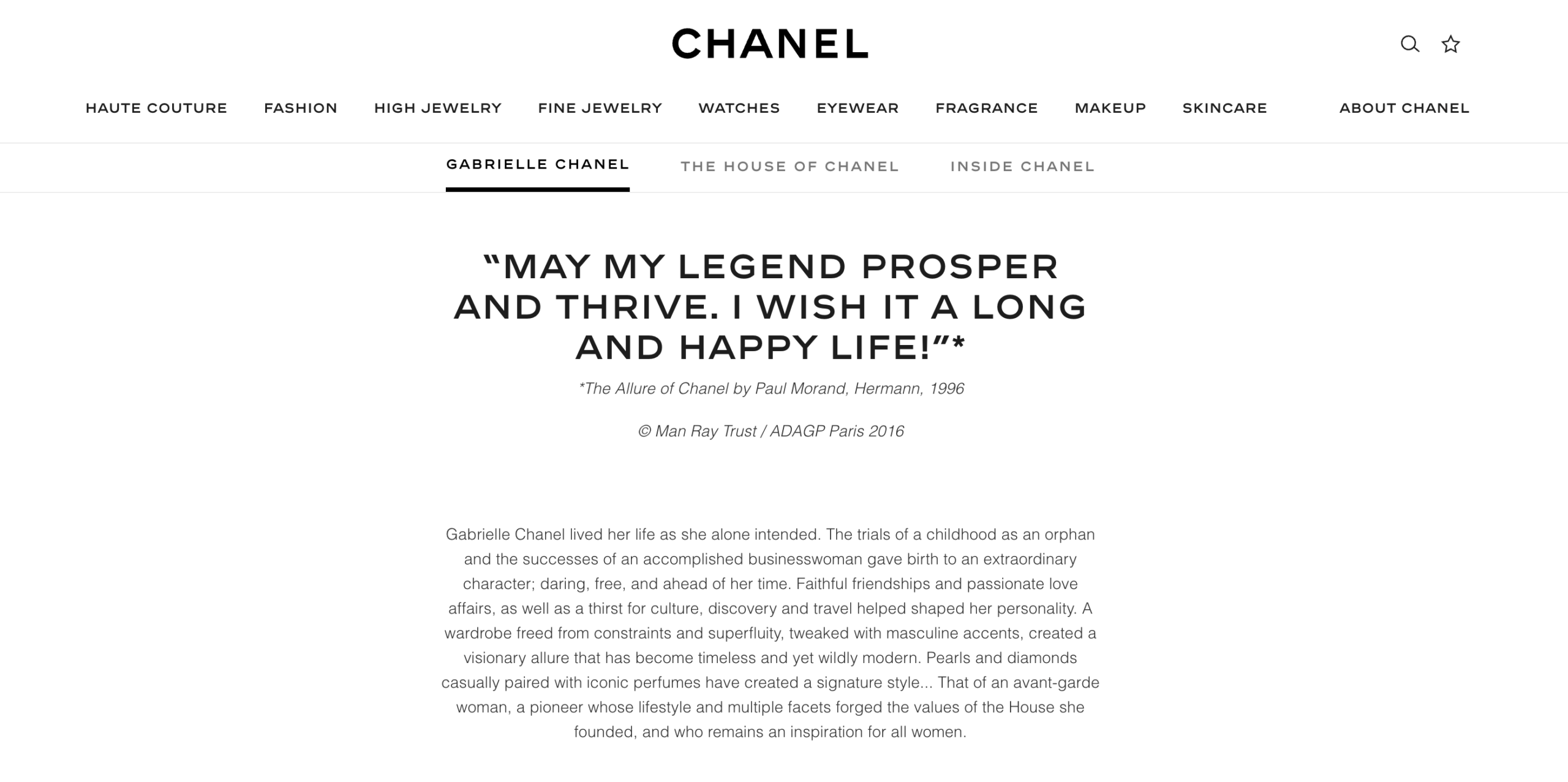
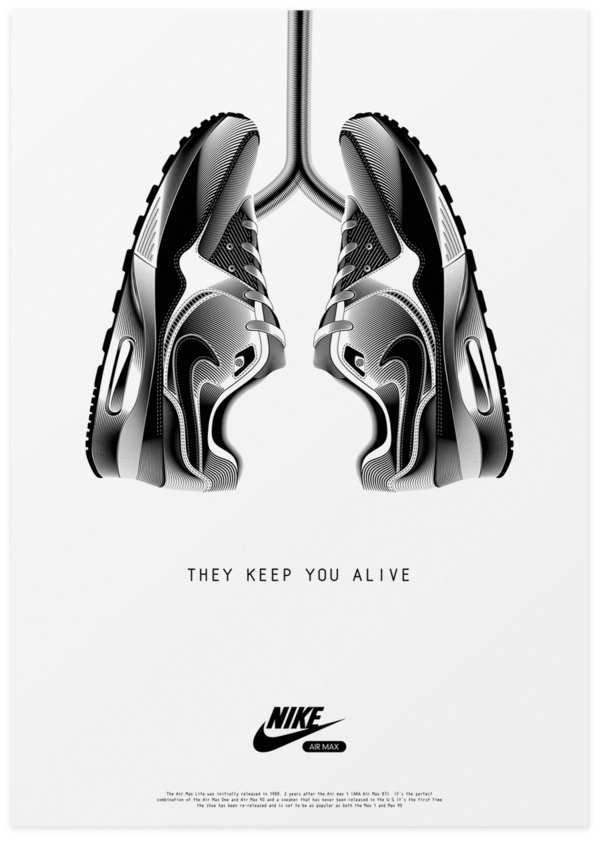
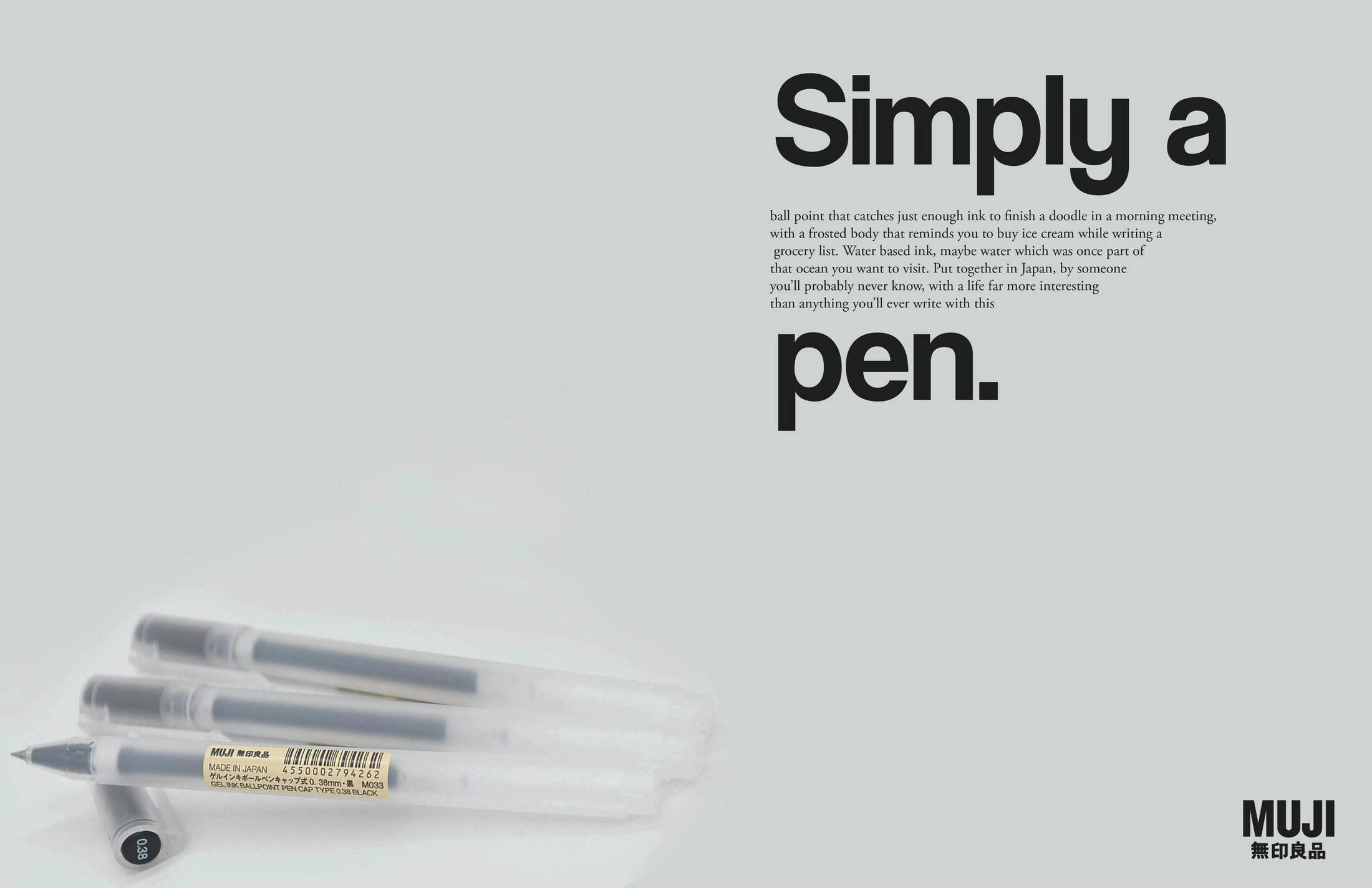
When a brand holds back, it reads as confidence. When it does everything, it reads as desperation.
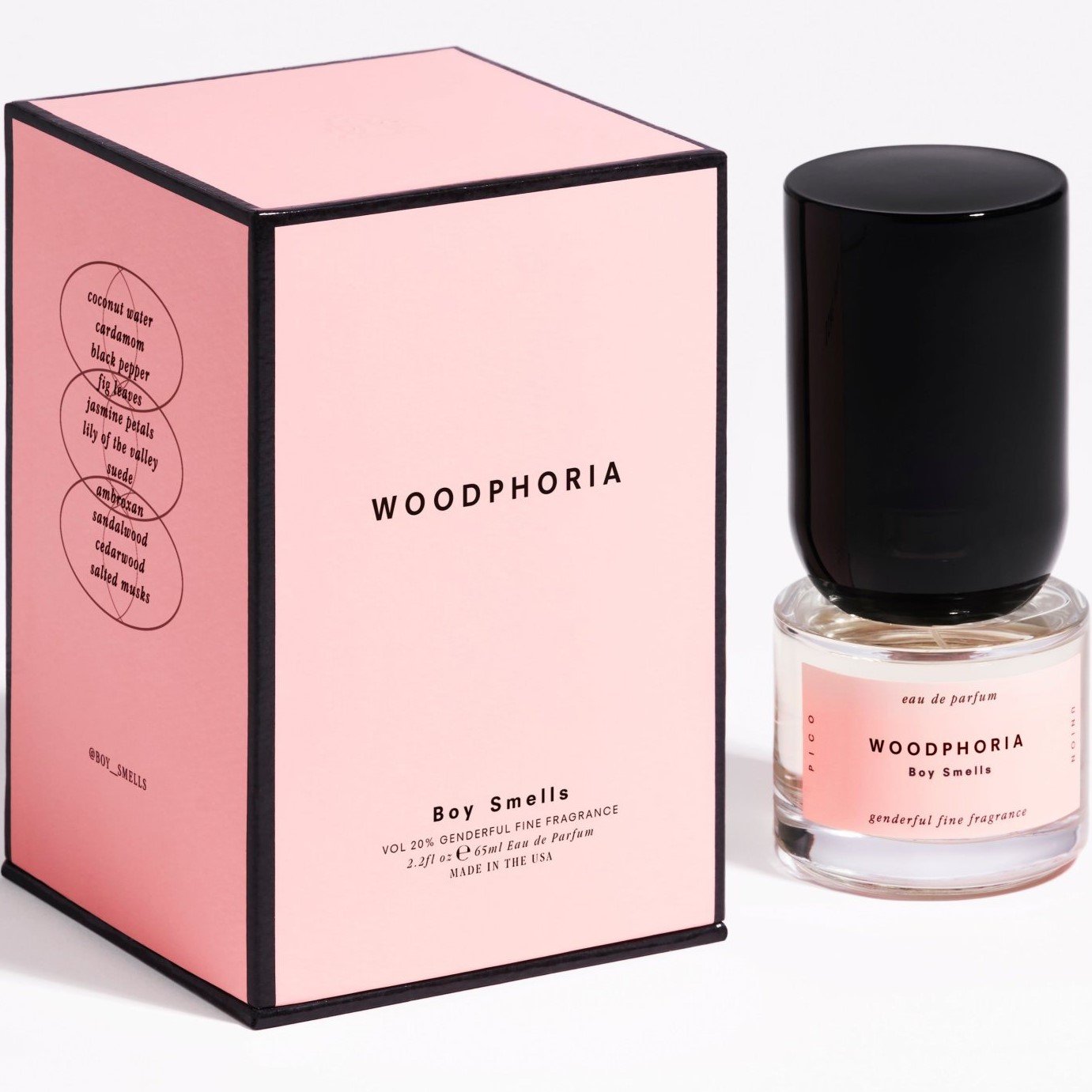
Example: A candle brand called Boy Smells uses exactly one neon pink color and one box shape. On a shelf full of elegant neutral candles, theirs scream for attention. Not because they're complicated. Because they committed.
(Picture a shelf — ten cream-colored candles and one bright pink box. You see the pink one first, right?)
2. Repetition as identity
High-end brands repeat visual structures on purpose.
Not because they lack creativity. Because repetition builds memory.
Neuroscience research shows that repeated exposure increases brand recall directly. You're not boring your audience. You're training them.
3. Hierarchy before decoration
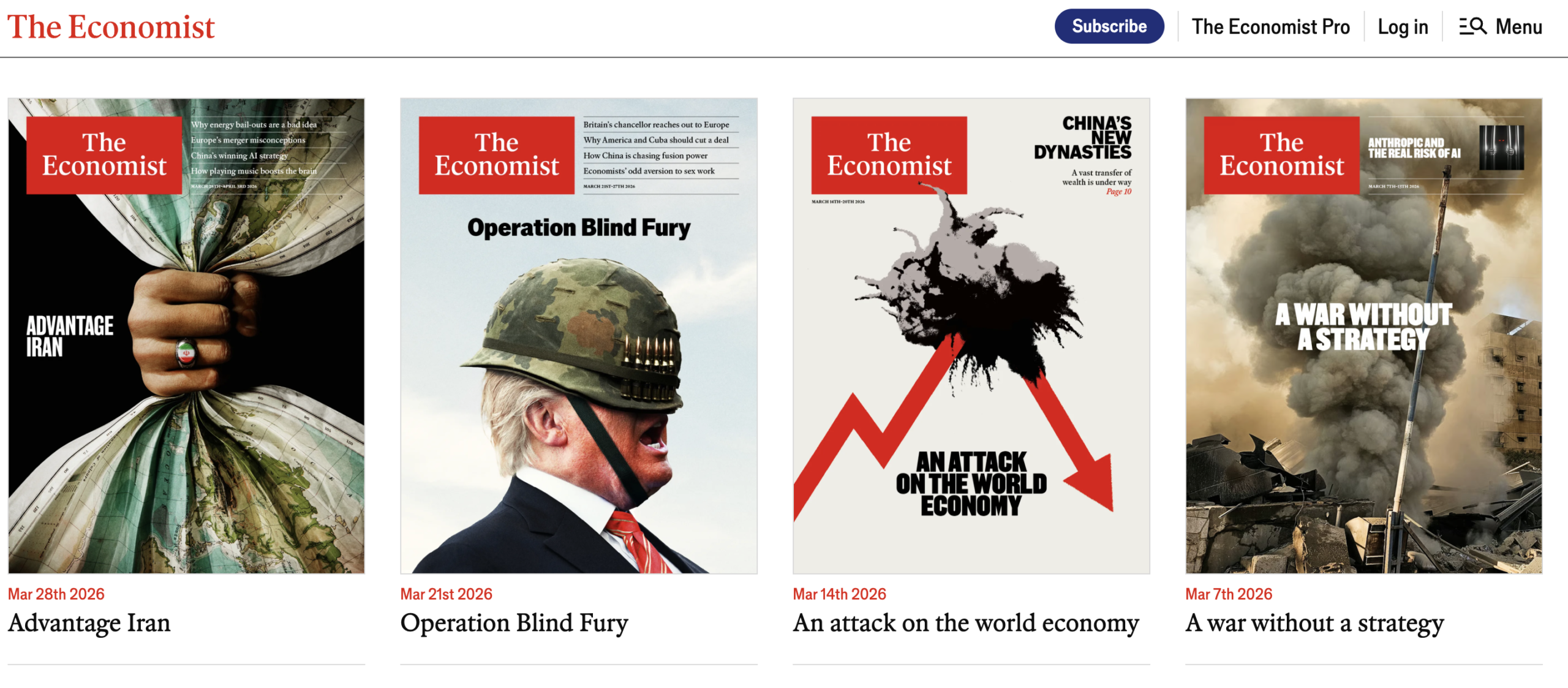
The Economist covers are pink rectangles with white text. No gradients. No illustrations. No drama.
But you read the headline in under a second. Because the information structure is flawless.
Clarity first. Ornamentation later. Always.
4. System over assets
Here's the biggest shift you can make:
An asset is one post.
A system is a rule for all posts.
- One-off designs = chaos
- Repeatable rules = trust
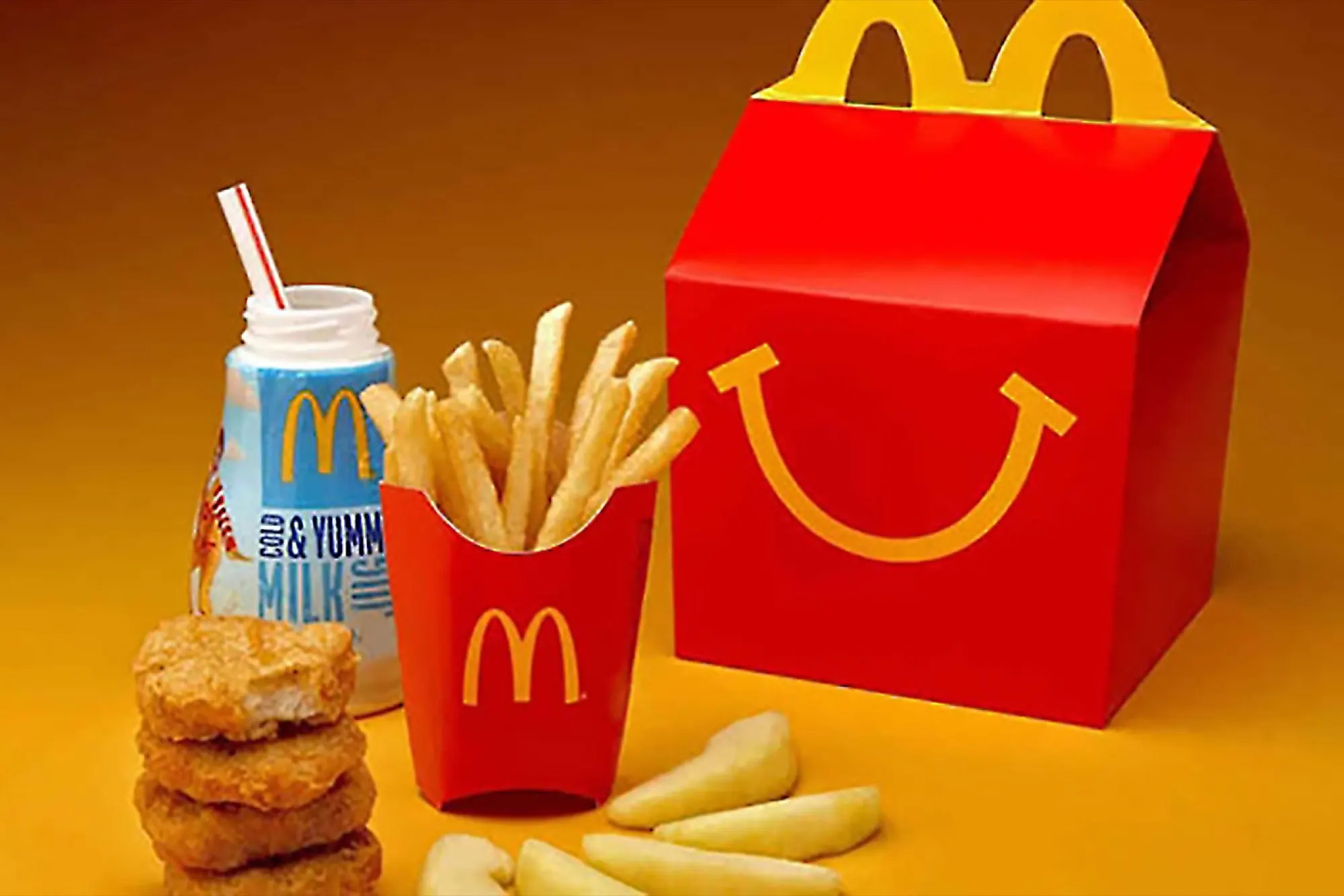
Visual identity: McDonald's (yes, McDonald's)
Even when you remove the logo, you know it's McDonald's:
- red + yellow dominance
- product dead center, angled at 45 degrees
- high-clarity lighting, no shadows
Takeaway: You don't need to be Chanel. You just need to be repeatable.
The irony: why small brands often look more expensive than big ones
Here's something funny.
Small brands — the ones with tiny budgets, one designer, no time — often feel more premium than giant corporations online.
Why?
Because constraints force discipline.
When you can't afford:
- three different photoshoots
- five font licenses
- a new template for every campaign
...you end up repeating what works. And repetition builds systems. And systems feel expensive.
When companies grow, design gets distributed. The US team does the website. A freelancer in Asia does the banners. A marketer in Europe does the newsletter.
And suddenly, the system breaks. "Beautiful assets" turn into unrecognizable noise.
What "expensive" really means in 2026
Forget polish. Forget complexity. Forget the latest trend.
"Expensive" now means: predictable enough to recognize, and disciplined enough to trust.
Your visual system should whisper to your audience:
"You know what this is. You know how it behaves. You know what to expect. Relax."
That feeling of stability? Your brain translates it as quality.
The real luxury? Discipline.
The rarest thing today isn't production power.
It's the ability to say no.
- No, we won't use that beautiful gradient (even though it's trending).
- No, we won't switch to that new font (even though it's pretty).
- No, we won't add a third color to this banner (even though we could).
The visual systems that win are the ones that decide what not to do.
One page. Three rules. That's how you start.
Rule 1: White background only.
Rule 2: No more than three words per line.
Rule 3: Font weight — only 400 or 700. Nothing in between.
Bottom line
You can look like a million bucks tomorrow.
Not by buying 3D renders. Not by hiring a celebrity photographer.
By writing down three visual rules. And following them. Every single time.
That's what makes a brand feel expensive.
That's what Visualistka helps you build.