
In today’s digital landscape, likes and followers are no longer the measure of success.
Brands that focus solely on vanity metrics often miss the real goal — driving meaningful engagement that converts into business growth.
So, how do you bridge the gap between social media buzz and actual revenue?
Let’s break it down.
1. From Visibility to Value: What Reach Really Means
Reach shows how many people see your content — but visibility alone doesn’t guarantee trust or action.
According to a 2024 HubSpot report, only 12% of users take purchasing action after seeing a random ad, while 68% convert after multiple consistent brand interactions.
That’s why top-performing brands like Nike, Starbucks, and Sephora treat social media not as an ad board, but as a storytelling platform.
They use reach as the starting point — creating multi-layered narratives that build emotional resonance over time.
💡 Nike doesn’t sell shoes. They sell aspiration. And every post, color, and caption reinforces that narrative.
2. The Secret Formula: Strategy + Visuals + Relevance
Social media success isn’t about posting more — it’s about posting with purpose.
A strong visual identity paired with a clear strategic direction can transform casual viewers into loyal customers.
Take Glossier, for example.
Their Instagram isn’t just about product shots — it’s a lifestyle feed designed to make customers see themselves in the brand.
Every visual, tone of voice, and user-generated post feeds into one consistent message: “You are already beautiful — we just help you highlight it.”
That’s strategy in action — and that’s what drives conversion.
3. Storytelling That Sells
Humans buy stories, not specs.
A 2023 Harvard Business Review study found that emotionally connected customers have a 306% higher lifetime value than those who are merely satisfied.
Social media gives brands an unprecedented chance to build those connections daily.
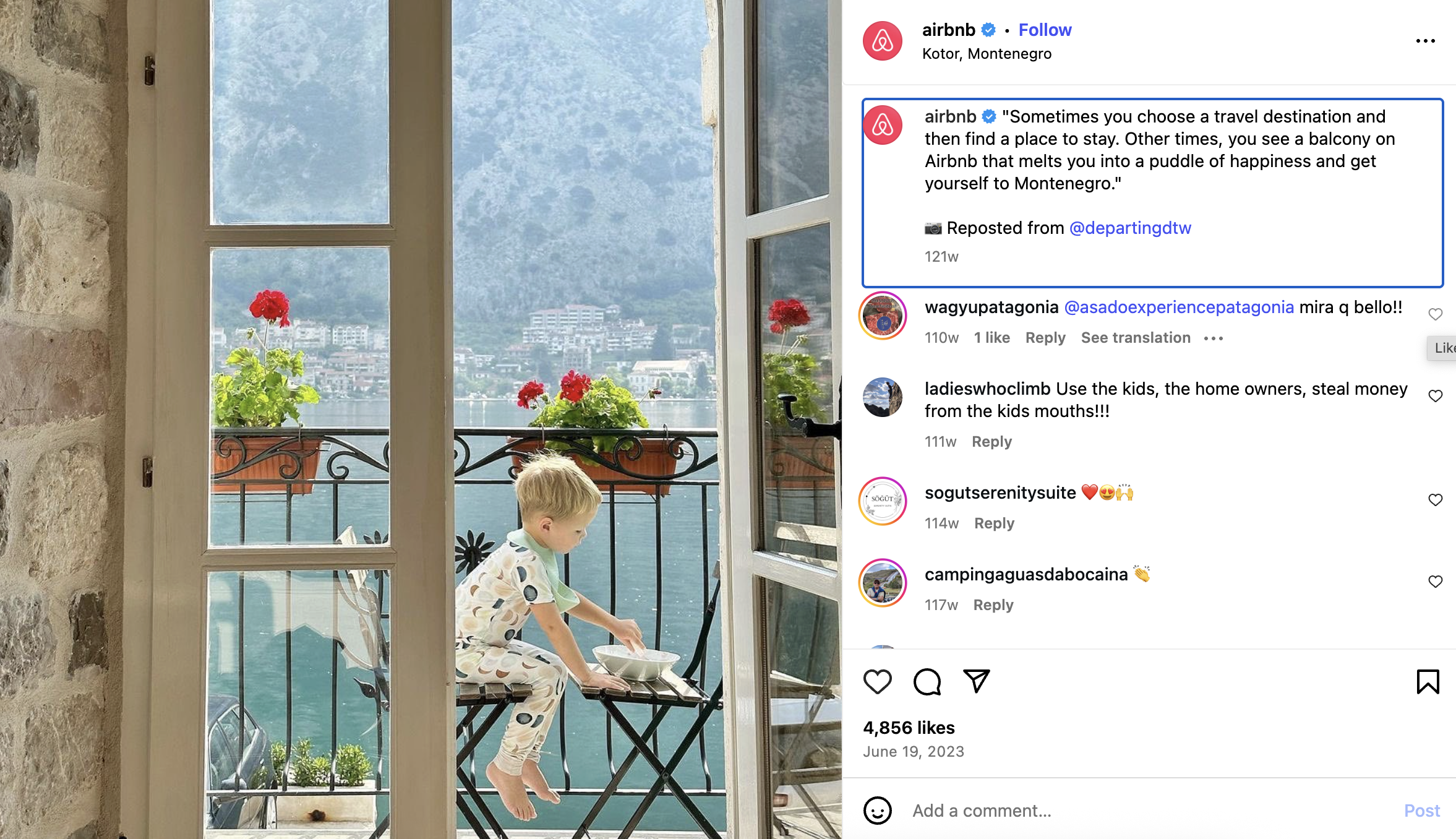
Look at Airbnb: instead of showing properties, they showcase experiences.
Instead of ads, they share traveler stories, personal recommendations, and local culture — all crafted to inspire the feeling of belonging.
That emotional narrative translates into bookings.
4. The Funnel of Trust
Here’s the truth: not every post should sell.
The best-performing brands build a content funnel that mirrors the customer journey:
| Funnel Stage | Goal | Example Content |
|---|---|---|
| Awareness | Create visibility & curiosity | Inspirational reels, trend-based visuals, behind-the-scenes |
| Engagement | Build trust & emotional bond | Educational posts, UGC, interactive stories, polls |
| Conversion | Encourage action | Case studies, offers, customer testimonials, clear CTAs |
| Retention | Keep the customer connected | Loyalty programs, community features, personalized updates |
When your visuals, tone, and strategy align across all these stages — followers stop being passive viewers and start acting as clients.
5. Measuring What Truly Matters
Forget likes. Focus on metrics that reflect business impact:
- Engagement quality (comments, shares, saves — not just likes)
- Click-through rate (CTR) on links and CTAs
- Conversion rate from social media traffic
- Customer lifetime value (CLV) from social leads
Top brands also invest in analytics tools like Sprout Social, Google Analytics 4, and Meta Insights to track which visuals or formats actually drive conversion.
Because what gets measured, gets improved.
6. The Role of Creative Strategy
At the end of the day, social media is not just about content creation — it’s about creative direction.
Without a unified strategy, even the most beautiful visuals lose their power.
That’s where Visualistka steps in: crafting a consistent brand ecosystem where every color, post, and word works together toward one goal — growth.
Through a mix of visual identity design, content strategy, and performance analytics, the result is not just social reach — it’s social impact.
Final Thought
In 2025, the social media game belongs to those who think beyond likes.
Brands that blend creativity with psychology, strategy with storytelling, and data with design — those are the ones who turn reach into revenue.
Your followers don’t want to be sold to.
They want to believe in something.
And when your visuals, words, and actions align — that belief becomes your biggest sales driver.