In digital marketing, "good visuals" are often mistakenly treated as a magic bullet. A beautiful post, a clean graphic, or a trendy template might get likes—but without strategy, visuals alone fail to drive consistent growth, engagement, or sales. Strategy gives visuals purpose: it aligns them with business goals, target audience, brand identity, and measurable outcomes.
This article discusses how a visual identity relates to a brand brief. Yuliia designs the identity and its applications; research and marketing planning are led by Maks.
Why Visuals Alone Often Fail
- Mismatch with Audience Expectations
If visuals are striking but don’t resonate with what your target audience values or expects, engagement will suffer. For example, visual style that looks “luxury” for an audience that cares more about authenticity or down-to-earth communication might feel off or inauthentic. - Lack of Brand Consistency = Confusion
Without consistency (colors, typography, logo placement, imagery style), each piece of content may look like it’s from a completely different brand. That dilutes recognition, trust, and the sense that there’s a coherent identity behind posts. - No Clear Message or Positioning
Visuals without a message or positioning are aesthetic only. They don’t clarify why someone should care. For example, does the content position the brand as innovative, professional, playful, expert, trustworthy? Without defining this, visuals wander without impact. - Limited Purpose or Measurement
When visuals are created without clear KPIs (engagement, conversions, reach, retention), it’s hard to know what works. Content may “look good,” but there’s no feedback loop to adjust or optimize. - Overemphasis on Trends Over Identity
Peeled layers of style trends—what’s “in” now—can make visuals look fresh temporarily, but trends change. If you follow trends without anchoring them in brand identity, you risk frequent rebrands, loss of recognizability, and high cost of producing “on-trend” visuals that don’t last.
Real Brand Examples Where Poor Visual Strategy Backfired
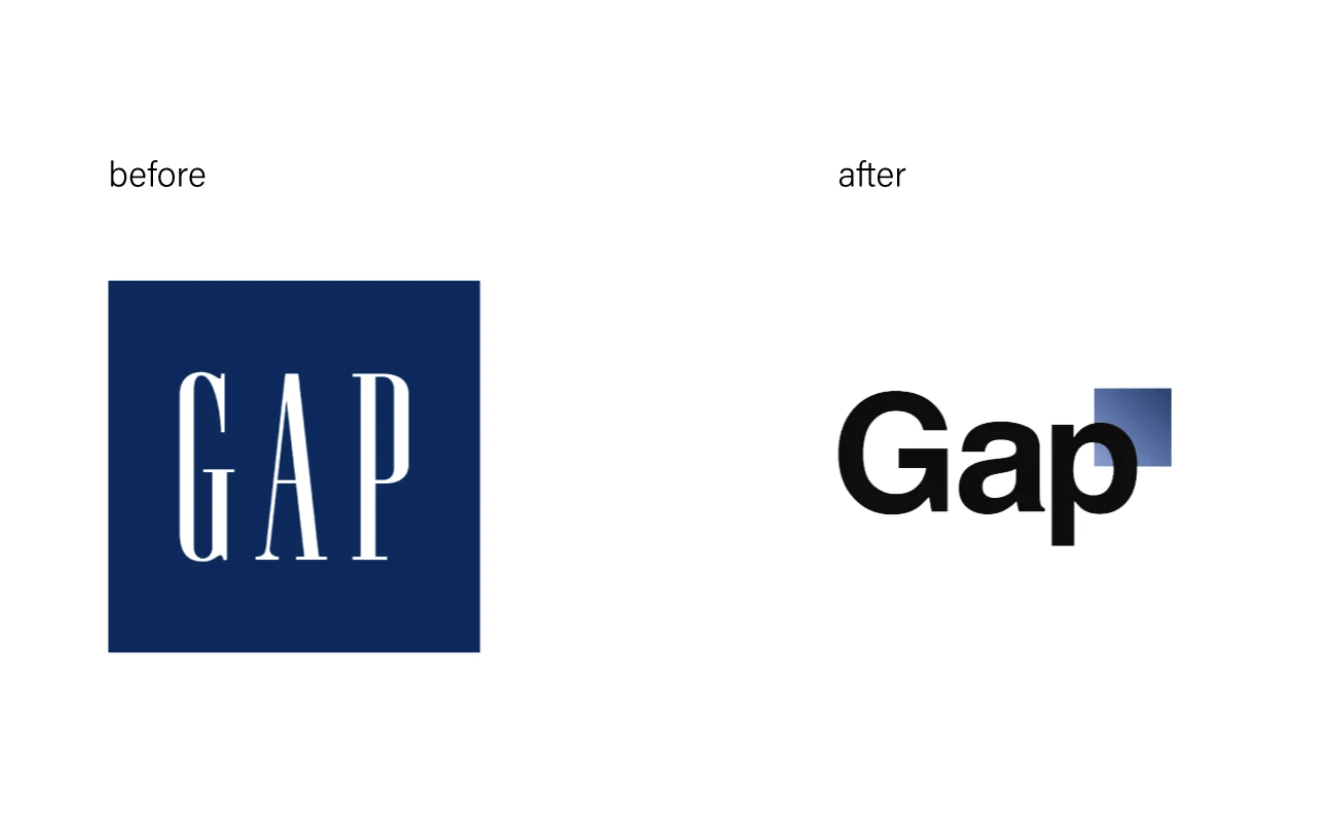
- Gap (2010): Gap tried a modern logo rebrand that skipped user input and drastically changed visual identity. Backlash was immediate; consumers felt disconnected. Gap reverted after 6 days. Costly lesson: even large brands need strategy + stakeholder understanding before visual changes.
- Crystal Pepsi: A mismatch between visual branding and the product proposition. The “clear soda” look suggested purity and health, but the taste and identity weren’t aligned. Consumers were confused, and the product failed.
These examples show that when visual design is disconnected from brand promise, audience understanding, or product reality, strong design alone doesn’t sustain success.
Research Insights
- A study “Color and Sentiment: A Study of Emotion-Based Color Palettes in Marketing” (2024) found that colors in brand logos are strongly correlated with consumer sentiment and emotions; selecting colors without understanding emotional associations can lead to unintended reactions.
How to Fix It: Strategy + Execution
Here are concrete, practical steps to ensure visuals don’t just look good—but work.
| Step | What to Do | Outcome |
|---|---|---|
| Define your Brand Position & Promise | Clarify core values, target audience, tone, and what makes the brand different. All visuals should reflect this. | Cohesive messaging; visuals align with brand identity. |
| Build a Visual Style Guide | Document colors, typography, imagery styles, filters, logo usage, spacing, composition. Use it across all content. | Consistency, faster design process, brand recognition. |
| Align Visuals with Campaign Goals | For each campaign or content piece, decide the KPI first (engagement, leads, clicks, brand awareness). Visuals should support that goal. | More targeted visuals; better returns on creative investment. |
| Test & Iterate | Use A/B tests for visuals: different styles, color tones, layouts. See what works with your specific audience. | Better performance; data-driven visual decisions. |
| Monitor Perception & Feedback | Use comments, sentiment analysis, surveys. Track metrics like recall, CTR, conversions. Adjust visuals that aren’t resonating. | Visual adjustments based on real audience input. |
| Maintain Adaptability | Trends evolve, platforms update. Keep style guide flexible enough to adapt without losing core identity. | Visual identity remains fresh and relevant without losing consistency. |
Conclusion
Visuals without strategy are like powerful tools without direction—they may produce attractive moments, but they rarely build lasting momentum or drive consistent results. Strategy gives visuals structure, relevance, and meaning.
For brands that invest in aligning visuals with audience, values, and goals, the payoff is clear: stronger recognition, higher trust, more efficient content performance, and improved impact on business metrics.
If you’re putting time, energy, or money into visuals, make sure your strategy is not left behind—and you’ll turn every asset into a purposeful tool, not just decoration.