
In a world flooded with visual noise, how do brands cut through? The answer lies not in flashy logos or constant reinvention—but in consistency. A unified visual style creates a stable, recognizable presence that primes consumer perception, builds trust, and ultimately drives buying behavior.
In this article, we’ll break down the psychology behind visual consistency, explore how global brands apply it, and give you concrete steps to weave it into your own visual strategy.
The Psychological Foundations
1. Fluency & Cognitive Ease
When viewers recognize recurring visual elements—same color palettes, typography, layout styles—their brains process them more easily. Cognitive fluency (the ease with which information is processed) leads to positive judgments and increased trust. In other words: the less your audience has to “think,” the better they feel.
2. Familiarity & Mere Exposure Effect
Repeated exposure to the same visual cues strengthens familiarity. The mere exposure effect tells us that people tend to prefer things they see often. When your visual identity repeats across ads, posts, emails, and packaging, you reinforce recognition, and audience comfort with your brand increases.
3. Emotional Anchoring
Visual elements—color, typeface, imagery—carry emotional and symbolic weight. A consistent palette and aesthetic act as emotional anchors, assisting in setting tone, mood, and brand personality. Over time, these visual cues trigger associative memory: you see the color or visual motif and think of the brand—even before reading the name.
4. Perceived Professionalism & Trust
A brand that appears disjointed or inconsistent visually often raises questions about professionalism and attention to detail. Consistent visual language signals that the brand cares—about its image, its values, and its relationship with customers. And in many industries, trust is a key barrier to purchase.
Real-World Brand Examples
Apple
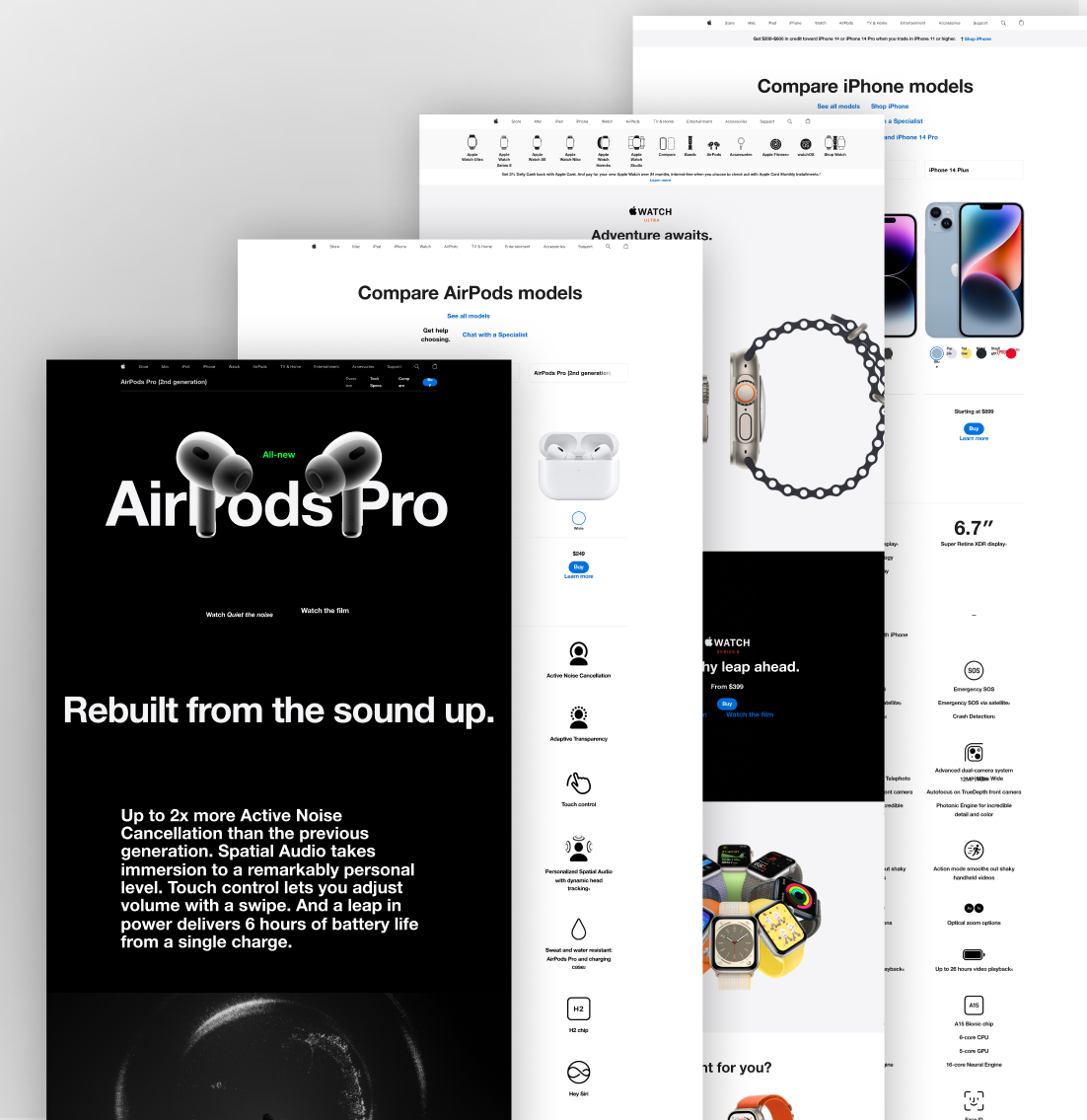
Apple’s visual identity is legendary for its consistency: minimalist form, carefully selected typography, and restrained color palette. Whether it’s the packaging, retail displays, website/UI, or marketing visuals—everything feels connected. That coherence strengthens brand recall and trust.
Spotify
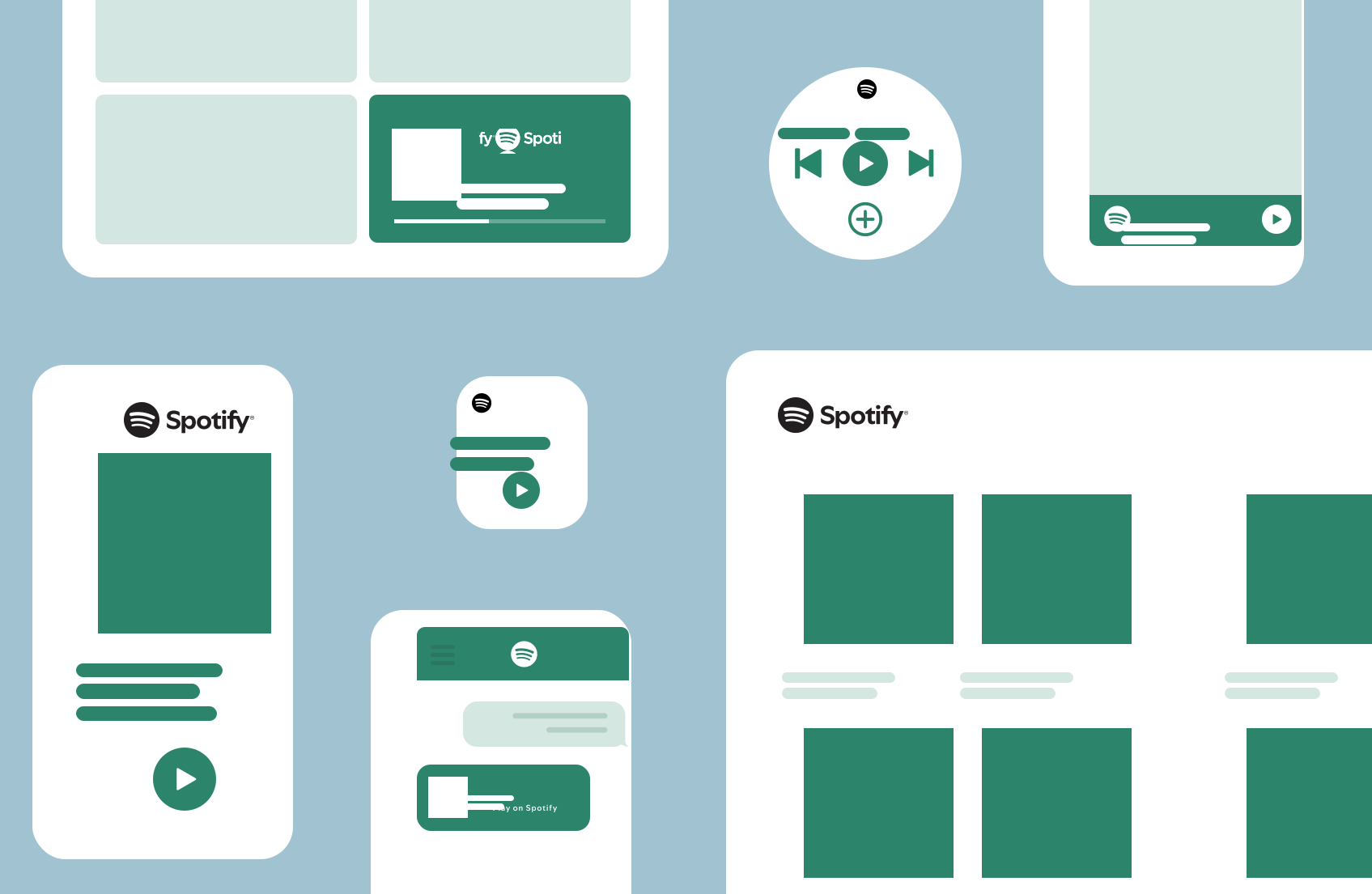
Spotify enforces rigid guidelines for logo usage, minimum sizes, color usage, and visual styling—even for third-party integrations. This avoids visual dilution of the brand and helps maintain strength across contexts.
McDonald’s
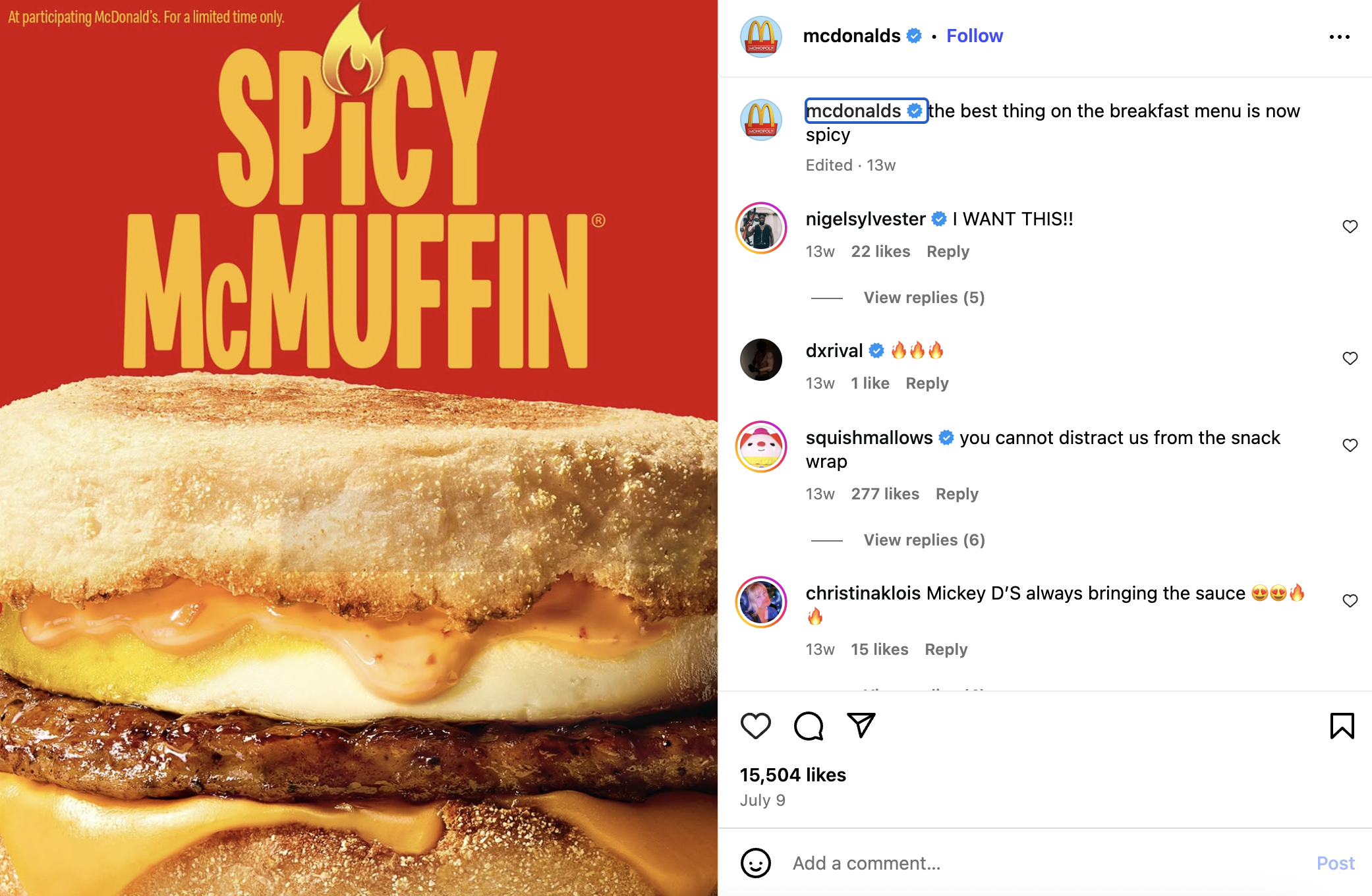
Beyond the golden arches and red-yellow palette, McDonald’s applies a consistent illustration and layout style in menus, packaging, in-store screens, and advertisement collateral. That consistency makes their brand instantly recognizable worldwide. For example, this ad doesn't feature the McDonald's logo, but you can immediately identify which restaurant to look for this dish in.
Mercado Libre
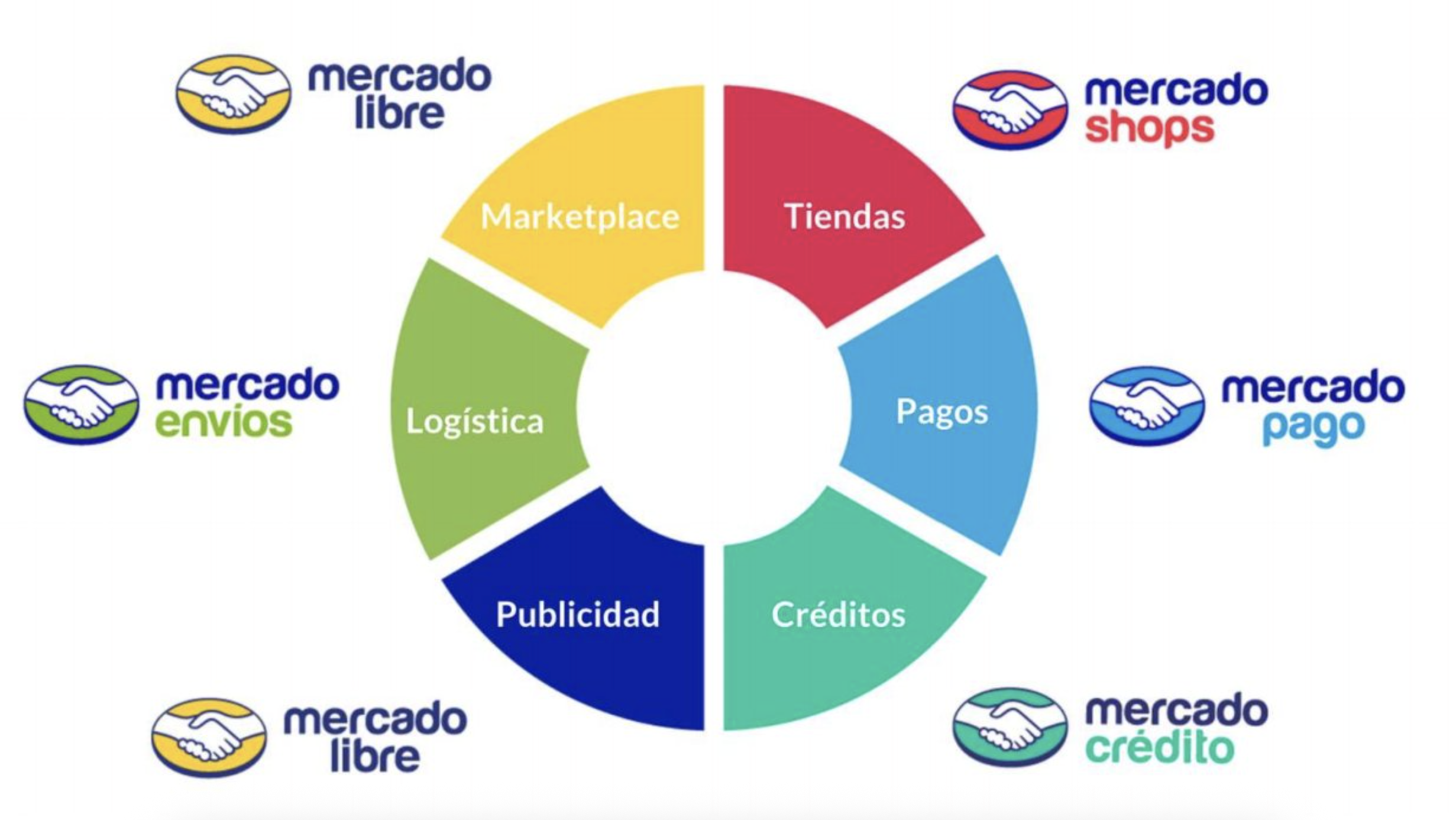
When expanding its ecosystem (Mercado Pago, Mercado Envíos, Mercado Shops), Mercado Libre aligned visual systems across brands. Shared visual DNA and design kits made it easier to launch new sub-brands without confusion and reinforced trust across their service spectrum.
Adidas / Runtastic
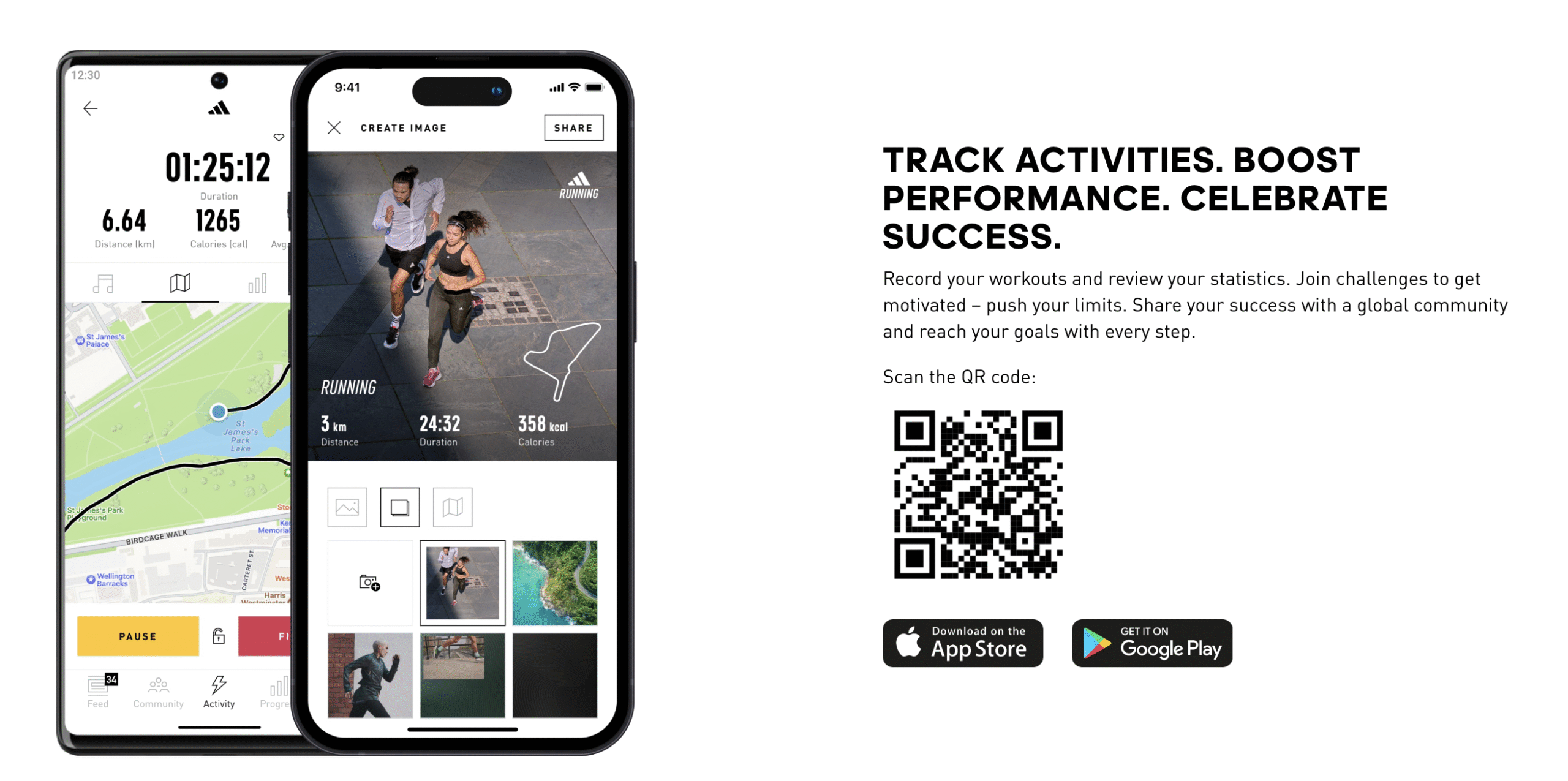
When the Runtastic app was rebranded as “Adidas Running,” the visual overhaul aligned the app with Adidas’ design language: consistent fonts, iconography, color accents. This coherence helped existing users transition and new users immediately perceived credibility.
Supporting Research
- A systematic literature review on “Effects of Brand Visual Identity on Consumer Attitude” found that visual identity elements (logo, color, typography) significantly influence perceptions of brand quality, personality, loyalty, and purchase intention.
Practical Steps to Build a Visual Style That Sells
- Create a Brand Guideline / Visual Bible
Document your color palette, typography, logo usage, image treatments, tone of voice, and visual hierarchy. Make it accessible to all collaborators. - Design Reusable Templates
Build templates for posts, stories, articles, ads, etc., so new content automatically aligns with the brand look without extra effort. - Define Composition & Layout Rules
Example: Always use left-aligned headlines, consistent margins, spacing rules, grid system. This ensures all visuals “feel like family.” - Use Signature Visual Motifs
Have recognizable elements: a particular icon style, border, photo filter, pattern, or graphic overlay that repeatedly appears, tying everything together. - Test Visual Variations Strategically
Use A/B tests to try variations while holding core brand elements constant. Determine which visual tweaks increase engagement or click-through. - Audit & Refine Periodically
Quarterly or semi-annual checks to catch off-brand designs. Remove outdated styles. Update guidelines with new lessons or trend adaptations. - Enforce Across Channels
Website, social, email, presentations, print — all touchpoints need to reflect the same visual logic. That’s brand implementation in action.
Conclusion
As brands scale, maintaining visual integrity becomes harder—but also more necessary. The world’s top brands succeed not because they reinvent every year, but because they evolve consistently.
If you want help building (or refining) your visual style framework, templates, and brand coherence — that’s exactly what Visualistka is here for.